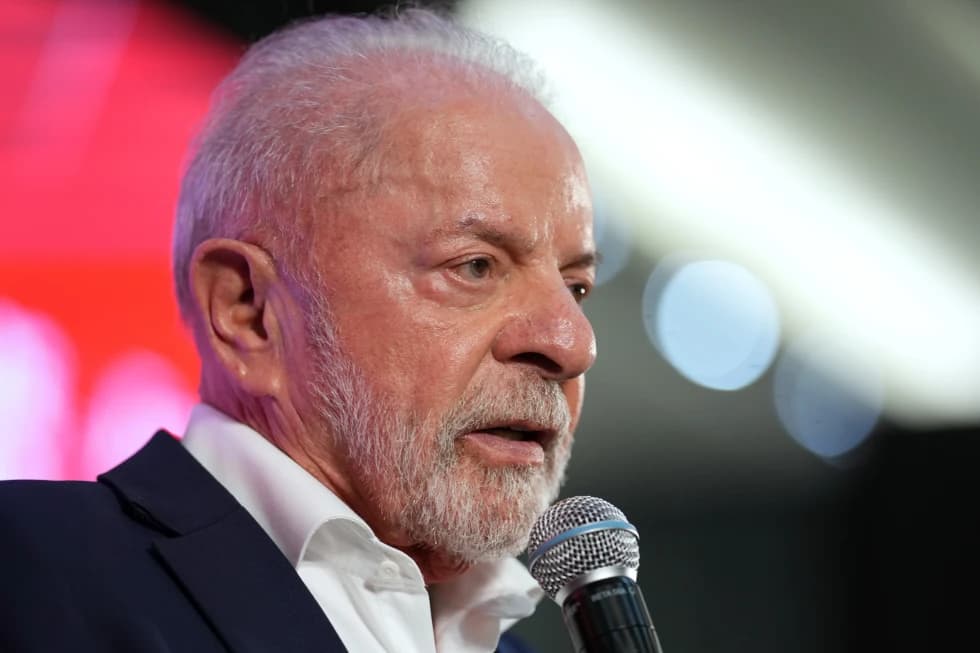
Brazil's President Luiz Inácio Lula da Silva has said he supports a national ban on online betting platforms. Should a government be allowed to shut down a legal industry — and is it already too late?
Online betting in Brazil is worth more than $4 billion a year, making it one of the biggest gambling markets in the world. Lula, who is 80 years old and is running for re-election in October, described the situation as "a massive tragedy" for millions of families. Household debt across the country is at its highest level since 2010, with more than 80% of Brazilian families carrying some form of debt. Many analysts believe the booming betting industry is partly responsible.
"If it is up to me, we close them," Lula told a Brazilian news website. "I am deeply worried about the indebtedness of the Brazilian people. If these platforms cause harm, why don't we end them?"
But is a ban really possible? Sports betting only became legal in Brazil in 2018, under former President Michel Temer. Lula's government introduced regulations in 2025 and now wants to raise taxes on betting companies from the current 12% of their income. However, many lawmakers have close ties to the betting industry, which could make passing a ban very difficult.
Betting companies argue that higher taxes would actually hurt Brazilian businesses rather than protect consumers. They warn that if local companies face stricter rules, people will simply switch to offshore betting sites, which operate outside Brazilian law and pay no taxes at all.
Yet critics are unconvinced. Religious groups and social activists have long questioned why online betting is legal when other forms of gambling in Brazil are not. They point to the fact that betting companies sponsor nearly every professional football club in the country's top two divisions. Famous players such as Vinícius Júnior and Ronaldo Nazário have appeared in advertisements for betting brands — giving the industry a powerful and glamorous image that is difficult to challenge.
So who is really winning here? The companies are profitable, the footballers are paid, and the government collects taxes. But what about the millions of ordinary Brazilians who cannot stop betting — and cannot pay their bills?