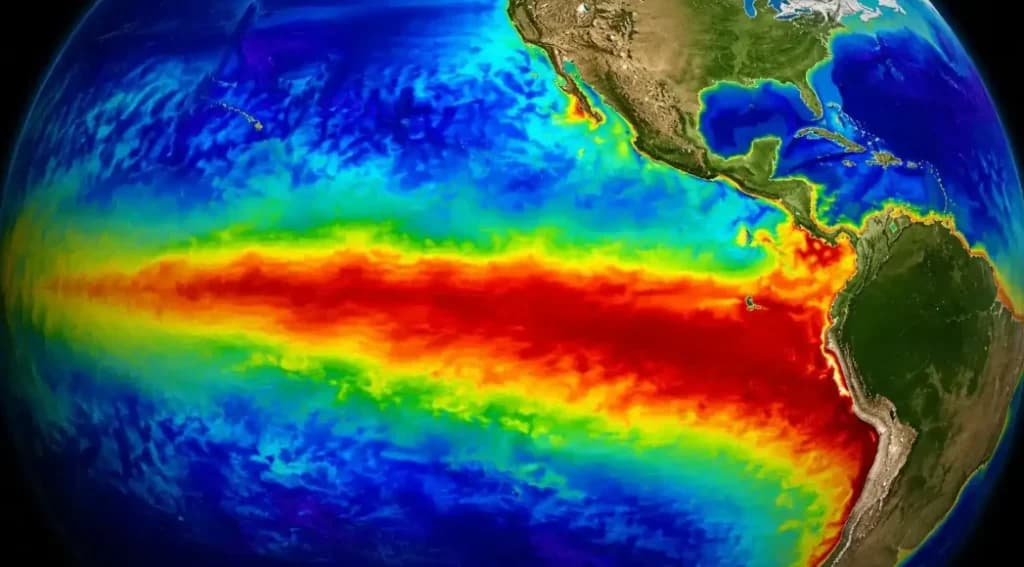
Scientists at the National Oceanic and Atmospheric Administration (NOAA) have issued a serious warning: El Niño is expected to return, and its consequences could be severe. Researchers predict it will emerge around July and persist through winter, bringing significant coastal flooding along both the East and West Coasts of the United States.
What makes this particularly alarming, according to NOAA oceanographer William Sweet, is a "double whammy" effect. The first problem is decades of sea level rise driven by climate change, which has already pushed ocean water dangerously close to the edges of many coastal communities. The second problem is El Niño itself — a powerful climate event that causes further shifts in sea levels, producing floods even without heavy rainfall or storms.
El Niño is part of a natural climate cycle driven by changes in wind patterns and ocean surface temperatures near the equator. During its warm phase, the trade winds weaken, warming the northern oceans. During the opposite cool phase — called La Niña — the trade winds strengthen and cool the Pacific near the Americas while pushing warmer water toward Asia. This cycle repeats irregularly every two to seven years, causing varying degrees of disruption worldwide.
This particular El Niño event is projected to raise sea surface temperatures in the eastern tropical Pacific by around 5 degrees Fahrenheit — a significant shift. Scientists draw comparisons to the El Niño of 1877–1878, the strongest on record, which triggered a global famine killing more than 50 million people. While modern food supply chains are more resilient, that historical example illustrates how dramatically a small rise in ocean temperature can destabilise the planet.
The warning is especially urgent given the current political climate. Some world leaders, including US President Donald Trump, have denied or downplayed climate change and rolled back environmental protections — policies that many scientists argue make events like El Niño more dangerous and frequent.