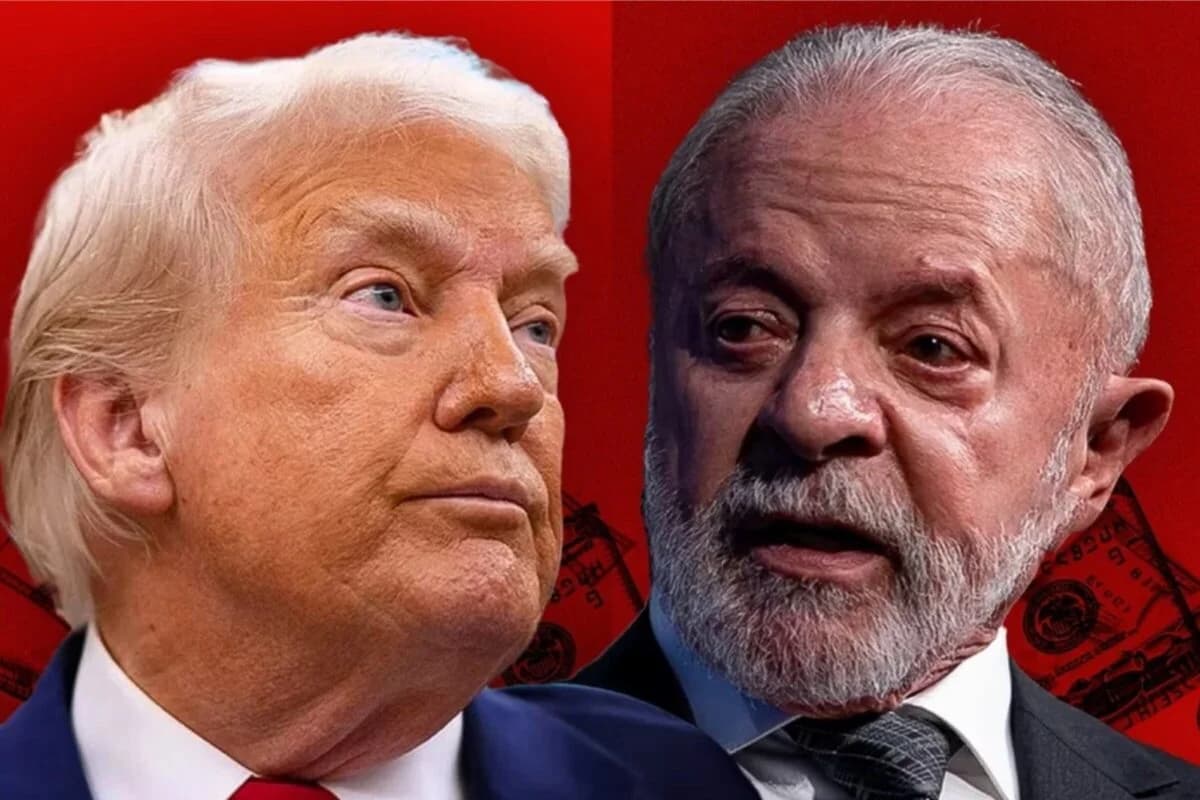
Brazil's president, Luiz Inácio Lula da Silva, is furious — and, for once, you can hardly blame him. On Thursday, US Secretary of State Marco Rubio announced that Brazil's two largest criminal gangs, the First Capital Command (PCC) and the Red Command, had been formally designated as foreign terrorist organisations. Lula, who had strongly opposed the move, called it an affront to Brazilian sovereignty. "We do not accept being treated like little boys. We do not accept being treated as if we were some tinpot country," he said.
Both gangs originated inside Brazilian prisons. The Red Command was born in the 1970s, when political prisoners and ordinary criminals were locked up together under the military dictatorship. The PCC emerged in the 1990s after police killed 111 prisoners during a rebellion. Over the decades, both grew into vast criminal enterprises, trafficking cocaine from Colombia, Peru and Bolivia to the US and Europe. The PCC operates like a corporation — quiet, hierarchical, businesslike. The Red Command is more decentralised and openly violent.
The timing is deeply inconvenient for Lula. Brazil holds a presidential election in October, and his main rival is Flávio Bolsonaro — son of the former president, Jair Bolsonaro, who is under house arrest after being convicted of attempting a coup. This week, Flávio made a conspicuous trip to Washington, meeting both Trump and Rubio. He celebrated the gang designations immediately. Months earlier, he had publicly invited the US to conduct military operations in Rio de Janeiro's Guanabara Bay.
Lula did not hold back. He called the Bolsonaro family "traitors" and accused them of "advocating foreign intervention" in Brazil. He also noted pointedly that Rubio had not been present at his own three-hour meeting with Trump three weeks ago.
The practical consequences of the designation remain murky, but analysts warn of financial repercussions for ordinary Brazilians. Meanwhile, a recent report found that US pressure caused an 18% increase in violent clashes across Latin America and the Caribbean in 2025 alone. Washington calls it a "war on drugs." Others might call it something else entirely.