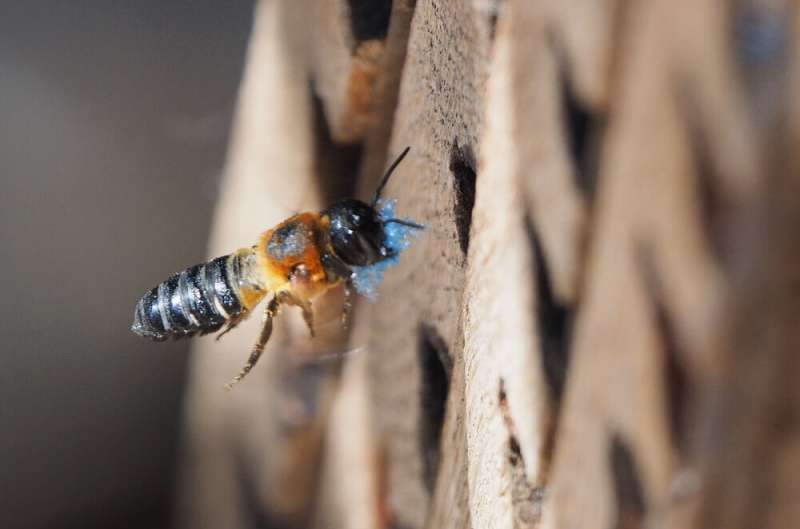
Scientists have discovered that tiny plastic particles—called microplastics—can harm the memory of bees. This affects their ability to remember smells from flowers and find them again. If bees can’t find flowers, they can’t pollinate plants, which could lower the amount of fruits, vegetables, and flowers we have.
What’s Happening?
Microplastics come from things like plastic bottles and wrappers. When people throw them away badly, they break into small pieces and enter the air, water, and soil. These pieces often land on flowers. Bees can breathe them in or eat them while collecting pollen.
Scientists found that microplastics affect bee brains, gut bacteria, and immune systems. These health problems make it harder for bees to do their jobs. Some studies even found microplastics in honey. One study showed five plastic pieces in a single teaspoon of honey!
Why Is This a Problem?
Bees are very important to the environment and food supply. Around 35% of all food crops depend on pollinators like bees. Without bees, many fruits and vegetables might disappear from our diets. Microplastics are adding stress to bees already struggling with pollution, heat, and habitat loss.
What Can We Do?
Scientists are looking for ways to reduce plastic pollution. One solution is biochar, a material that can clean plastic from soil. Another is a thin film that helps protect crops while stopping plastic from spreading.
People can also help by using less plastic, recycling properly, and using reusable items instead of single-use plastics like water bottles or straws.