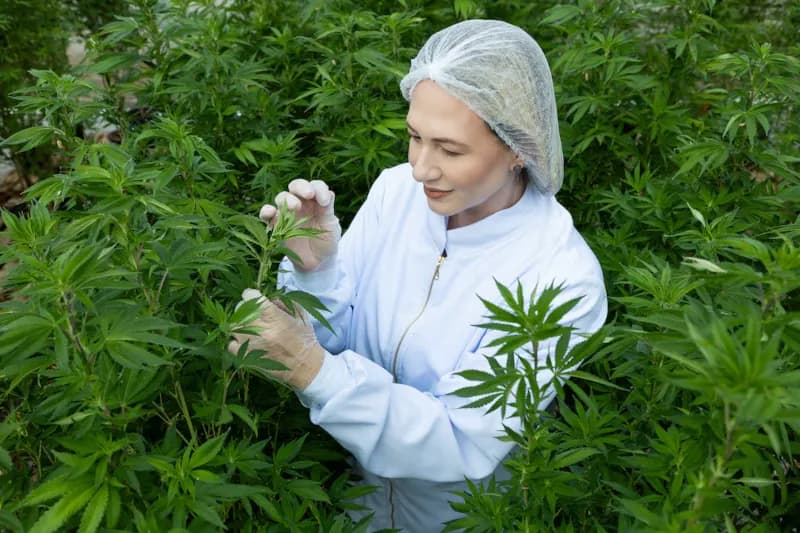
Brazil’s agricultural research agency, Embrapa, is planning a 12-year study into cannabis cultivation. The initiative aims to explore the plant’s potential in medicine, industry, and sustainable agriculture. Although recreational cannabis remains illegal in Brazil, a recent court ruling allows the planting of hemp, a type of cannabis with very low THC (the substance that causes a high), for medicinal purposes.
Embrapa, which helped Brazil become a global agricultural leader, wants to create a cannabis seed bank, develop plant varieties suited for Brazil’s climate, and identify areas ideal for cultivation. The agency expects the health authority Anvisa to approve the project soon.
Several companies, both Brazilian and international, are already interested in partnerships. They see possibilities in producing cannabidiol (CBD), a medicinal product, as well as industrial uses like paper, textiles, and even carbon capture in the soil.
However, at this stage, hemp cultivation in Brazil may be restricted to small, tightly controlled indoor spaces for pharmaceutical use. Still, this research could eventually transform Brazil into a global cannabis production hub, much like its rise in soy farming decades ago.