Every few weeks, a new headline criticises young people: they refuse to work hard, they leave university without finishing, and many do not even bother getting a driver's licence. The tone is often one of disappointment or contempt, as if an entire generation simply chose to be passive one morning.
A more honest reading points the finger elsewhere — at older generations who designed the current economic system.
The system was built to reward asset owners, maximise short-term profits, and demand more from workers each year while offering less in return. Housing costs have risen far faster than wages for decades, making home ownership sound like a folktale rather than a realistic goal. A university degree, once a reliable path to a better life, now often comes attached to debt that follows a person for many years. Entry-level jobs have increasingly become temporary or gig-based, stripped of the security that previous generations took for granted. Older generations benefited from these structures and then expressed surprise when younger people stopped engaging with them.
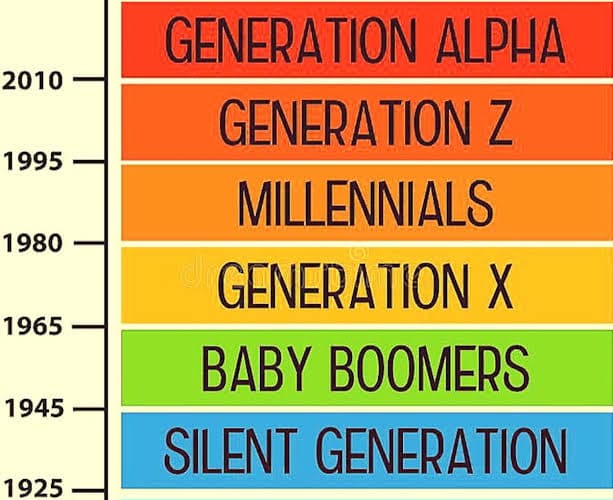
Psychology helps explain what is happening. Behaviour is shaped by its consequences. When effort produces a reliable reward, effort increases. When the reward disappears, effort fades. Gen Z and Gen Alpha are watching the people ahead of them do everything correctly — the degree, the long hours, the responsible choices — and still struggle to afford a stable life. The reward that once reinforced hard work has weakened significantly, so reduced engagement follows naturally.
Some commentators treat this withdrawal as a coordinated rebellion, a quiet conspiracy against the rest of society. That interpretation does not hold up to scrutiny. Coordinated movements require networks, shared leadership, and years of organisational experience. Young people do not yet possess these resources. The more accurate explanation is far simpler: when millions of strangers all open their umbrellas at the same moment, they are not conspiring — they are responding to the same rain. Millions of young people are reacting, separately and simultaneously, to identical conditions.
Their behaviour is rational feedback about the environment we constructed. If older generations want young people to participate more fully, the work must begin with repairing that environment — lowering the cost of a decent life and restoring a genuine connection between effort and reward.