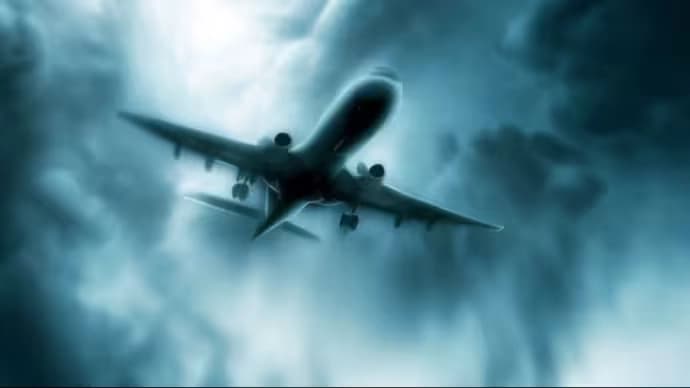
Singapore has formally classified severe clear-air turbulence as a major in-flight threat. The Civil Aviation Authority of Singapore says this hazard now sits at the same risk level as mid-air collisions and runway incursions. Supporters see a necessary wake-up call; critics ask whether current tools can really reduce harm as turbulence intensifies globally.
Two serious events pushed the issue to the front page: in May last year a London–Singapore flight diverted to Bangkok after extreme shaking; one passenger died and many were injured. In September, another flight over Hong Kong injured a passenger and a crew member. In the United States, recent cases have also sent travellers to hospital.
CAAS has ordered a package of safety actions, and airlines across Asia are revising cabin service: more persistent seatbelt signs, different methods for hot drinks, even dropping items like in-flight ramen to reduce scald risk. These steps aim to mitigate injuries, but they raise questions: how much service can be cut before passengers resist, and who pays for new equipment?
Why now? Research and industry reporting increasingly link stronger windshear and shifting jet streams to climate change. As temperature contrasts sharpen, the atmosphere becomes bumpier; meanwhile, more flights mean more encounters with turbulent corridors. In short, turbulence appears to be getting more frequent and more severe worldwide—probably because the climate is changing—and that makes today’s calm-looking skies less predictable.
Data sharing and forecasting are central to the response. IATA’s Turbulence Aware lets aircraft share live reports so nearby crews can adjust. New AI tools aim to predict dangerous changes in the jet streams—fast-flowing air currents—and help crews label and avoid hot spots. Supporters say these moves can cut risk quickly; critics counter that coverage is uneven and that seatbelt culture, not service cuts, may deliver the biggest safety gains.
Singapore, Korea, and Japan have pushed ICAO to recognise turbulence explicitly in the 2026 global safety plan, hoping for common reporting rules and clearer guidance. That could standardise when to switch on the seatbelt sign, how to brief passengers, and how to record injuries. The larger question remains: if climate-driven turbulence keeps rising, will policy, forecasting, and cabin practice keep pace—and who benefits if airlines shift cost and responsibility onto passengers?
Glossary:clear-air turbulence (CAT): dangerous shaking in apparently clear skies, caused by fast-changing air; it can arrive without visual warning.
Civil Aviation Authority of Singapore (CAAS): Singapore’s national aviation regulator; it sets safety policy for the country’s airlines and airports.
International Civil Aviation Organization (ICAO): U.N. aviation body that writes global safety standards and long-term plans.
International Air Transport Association (IATA): airline trade group that runs programmes like Turbulence Aware to share real-time data between aircraft.
jet streams: fast-flowing air currents at cruising altitudes that shape long-haul routes and flight times.
windshear: sudden changes in wind speed or direction that can destabilise an aircraft.