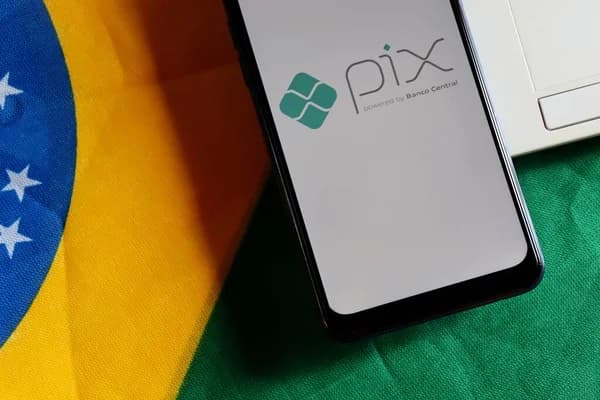
Brazil has built one of the world's most successful instant-payment systems, and apparently that is now a problem — at least for the United States and the credit card industry that quietly funds Washington's trade policy apparatus.
Pix, operated by Brazil's central bank since 2020, lets people transfer money in real time through a banking app, free of charge for individuals and at far lower costs for businesses than traditional card payments. It now handles more than half of all transactions in Brazil by volume, has around 170 million users — roughly 80% of the population — and has brought over 70 million Brazilians into the formal financial system for the first time.
In July 2026, the US Trade Representative cited Pix as a "barrier to trade" and used it to justify a fresh 25% tariff on Brazilian imports. Washington's stated concern is that Pix receives special treatment because the central bank both operates and regulates it — a conflict of roles, they say. Brazilian officials, unsurprisingly, called this argument absurd.
Central bank chief Gabriel Galipolo pointed out that credit card use had actually increased in absolute terms since Pix launched, precisely because Pix brought millions of previously unbanked Brazilians into the system. "It would be kind of like saying that creating basic sanitation hurts the revenues of those who own water trucks," he said. Hard to argue with that — unless, of course, you own the water trucks.
Visa and Mastercard have both warned investors that instant-payment networks like Pix threaten their business. A Washington trade group representing those companies, alongside Meta and others, had been lobbying the US government for years to push Brazil into giving foreign payment firms equal access to the market.
Now 65 countries are watching Pix with interest, and some worry in Washington that interconnected instant-payment systems could one day reduce dependence on the US dollar.
Brazilian President Lula put it simply: "No one is going to change our Pix. It's public, it's free, and it will stay that way." Whether Washington finds that acceptable is another matter entirely.