The United States has announced visa restrictions against South African officials accused of discriminating against the country's white minority. But the move raises serious questions — about race, power, and whose interests are really being served.
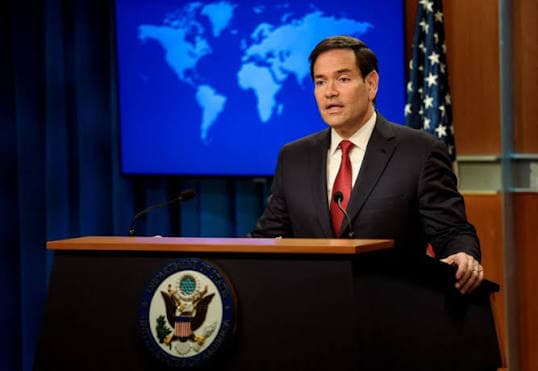
US Secretary of State Marco Rubio said the restrictions target those who promote "race-based discrimination, incite violence, or enable land confiscation without compensation." He accused the South African government of pursuing "racial grievance against the Afrikaner minority" and warned that those responsible "have no place in the United States."
South Africa's government strongly rejected the accusations. Foreign Minister Ronald Lamola said the announcements "mischaracterise" South Africa's domestic policies, and that critics wrongly claim to represent Afrikaners. The government insists its land reform policies are necessary to correct centuries of racial injustice caused by apartheid — a system under which the black majority was dispossessed of land and denied basic rights.
So who is actually right? South Africa's land reform law does allow the government to seize land without compensation in limited cases, but it also requires authorities to try to reach an agreement with owners first, and disputes can go to court. South Africa's crime statistics do not show that white people face greater risk of violent crime than other groups. Claims of a "white genocide" have been widely discredited.
This raises a deeper question: can policies designed to correct historical inequality against a majority group be called racism against a minority? Traditionally, racism has involved a dominant group using power to oppress others. South Africa's white minority, though small in number — just over 7% of the population — still owns most private farmland, a direct legacy of apartheid.
It is also worth asking whether the Trump administration's motives are straightforward. The administration has well-documented connections to far-right and white nationalist ideas. Could protecting white South Africans be less about justice and more about a political message at home?
The US embassy warned that visa restrictions are "only the first step" in tougher measures. South Africa, already hit with 30% trade tariffs, faces increasing pressure. Tensions remain high — and the fundamental questions about race, history, and power remain unanswered.