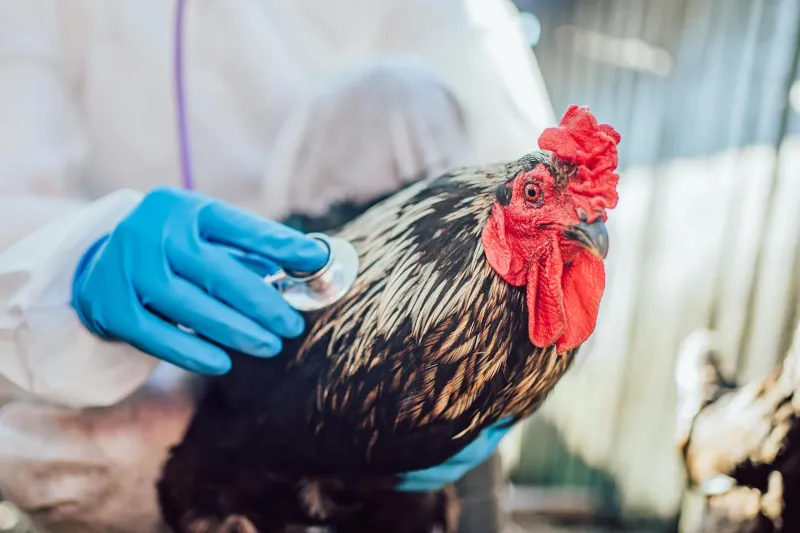
A recent study has revealed a shocking truth: bird flu (H5N1) is now killing cats at an alarming rate of 90%, and experts warn it could eventually spread to humans.
Researchers from the University of Maryland studied cases of bird flu in cats between 2004 and 2024. They found over 600 infections and more than 300 deaths, across 18 countries and various cat species—including pet cats and tigers. Yet, most cats are only tested after death, meaning the true number of infections is likely much higher.
The virus can spread in many ways. Cats can get it by eating infected birds, raw chicken feed, or even through contact with other infected animals. Farm cats fed milk from sick cows and pet cats living together can also pass it between each other.
The illness often causes severe symptoms like brain swelling, which may look like rabies. The most dangerous strain of the virus is both highly contagious and very deadly among cats.
For humans, the threat is serious too. So far, around 950 people worldwide have been infected with H5N1, and half of them have died. In the U.S., there have been 66 human cases and one death as of early 2025.
Scientists are especially worried about shelters or farms, where the virus could spread fast and affect people. While no human-to-human transmission has been confirmed yet, experts fear that could change if the virus evolves further.
Researchers are calling for urgent surveillance and testing, especially in high-risk environments like dairy farms. Protecting both humans and pets is now a top priority, as bird flu continues to evolve and spread.