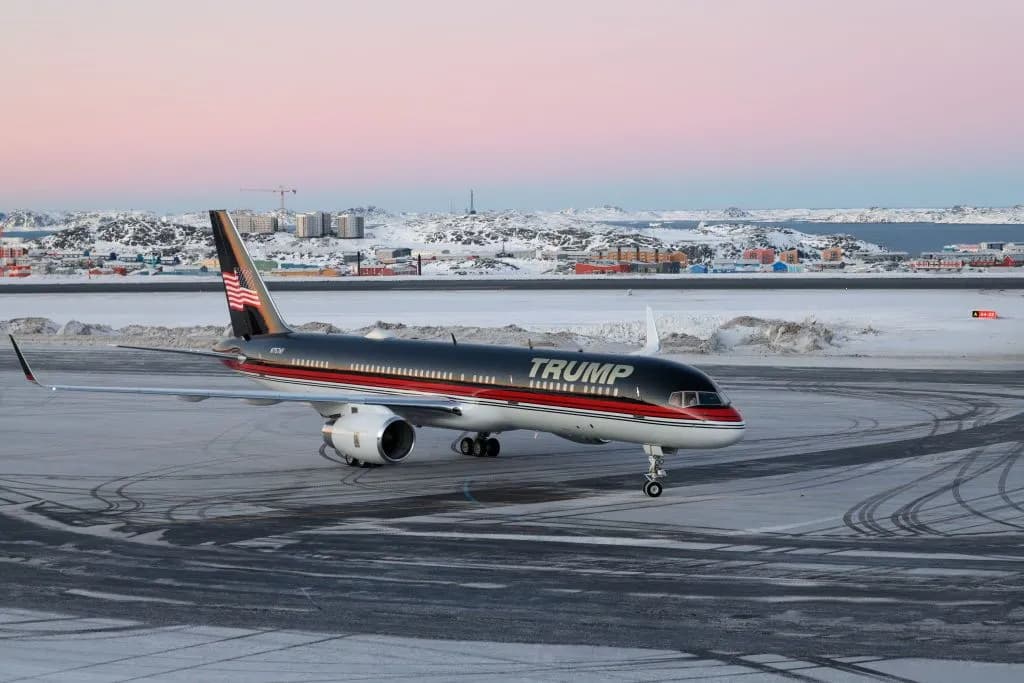
In recent weeks, US President-elect Donald Trump has shown renewed interest in taking control of Greenland, a largely autonomous territory of Denmark in the Arctic and the world's largest island.
He first indicated an intention to buy Greenland in 2019, during his first term as president, but this week he went further, refusing to rule out economic or military force to take control of it.
Danish and European officials have responded negatively, saying Greenland is not for sale and its territorial integrity must be preserved.
So how could this unusual situation play out, with two Nato allies at odds over a huge territory which is 80% covered with ice but has considerable untapped mineral wealth?
And how could the aspirations for independence among Greenland's population of 56,000, under Danish control for 300 years, affect the final outcome?
Here we look at four possible scenarios for Greenland's future.