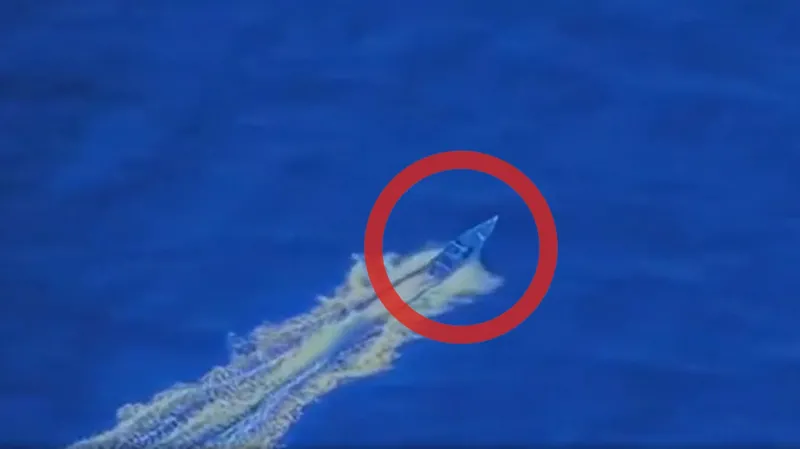
So, who exactly was on the boat the U.S. bombed in the Caribbean last week? Colombia’s President Gustavo Petro says “indications” show it was Colombian—and that Colombian citizens were inside. Strong claim. Evidence? He didn’t present any, beyond calling on families to come forward. The U.S. military hasn’t identified the passengers. Convenient gap, or just the fog of a fast-moving operation?
The White House lost no time pushing back, calling Petro’s statement “baseless and reprehensible” and even saying it looks forward to him publicly retracting it so that both countries can “return to a productive dialogue.” At the same time, Washington still describes Colombia as an important partner—just one with “policy differences.” Tough love, or mixed messaging?
Context matters. U.S. forces have struck at least four alleged drug boats since last month. The most recent known case was on October 3, off Venezuela, where four people described as “narco-terrorists” were killed. The administration frames these strikes as a way to halt drug trafficking before it reaches U.S. shores. Critics, however, argue the legal basis is thin—and getting thinner with every new explosion at sea.
Petro—Colombia’s first leftist president in decades—has clashed with Washington more than once. He denounced the maritime strikes at the United Nations, then told U.S. service members at a New York protest to “disobey” the president’s orders. The State Department responded by announcing it would revoke his visa. Diplomatic warmth this is not.
Meanwhile, the U.S. political narrative is blunt. At a Navy anniversary event, the U.S. president said “every one of those boats is responsible for the death of 25,000 American people,” and even called the campaign “an act of kindness.” Kindness by missile? That’s one way to reframe a strike package.
There’s also a bold legal theory on the table: passengers on an alleged drug boat may be treated as “unlawful combatants,” and the United States is engaged in a “non-international armed conflict” with drug cartels. Senior officials describe the actions as “targeted strikes against imminent threats,” insisting no separate authorization from Congress is needed. Convenient interpretation—or necessary flexibility?
Not everyone on Capitol Hill agrees. Some lawmakers say the administration hasn’t shown that the vessels carried drugs, or that those killed were guilty of anything. A move in the Senate to block further strikes failed by a narrow vote (48–51), picking up support from at least one member of the president’s own party coalition on foreign policy skepticism. The broader question lingers: how much proof should be required before a boat—and everyone on it—is labeled a legitimate target?
So we remain in a murky middle: Petro alleges Colombians died; the White House demands a retraction; and the legal lines at sea keep blurring. If families do come forward, would that shift policy—or simply become new fuel for the same arguments? Until identities and evidence are public, we’re left with pointed statements, careful denials, and a lot of room for doubt.