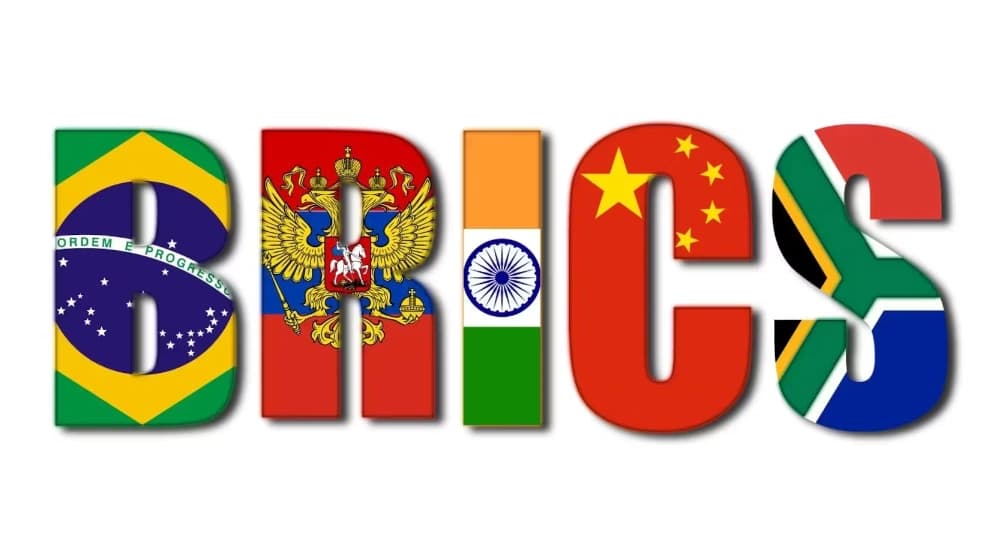
BRICS officials say they now have a practical tool to reduce dependence on the U.S. dollar: a precious-metals exchange that settles payments in gold, platinum, diamonds, and rare earth minerals. The promise is simple—route pricing and settlement through a BRICS-led venue and process cross-border payments via China’s CIPS instead of SWIFT. But is a new market enough to change decades of habits and trust?
Supporters argue the plan fixes a structural imbalance. For years, price discovery and settlement were shaped by Western institutions such as the London Bullion Market Association (LBMA) and the London Metal Exchange (LME). After the Ukraine war began, Russia’s access was restricted, which BRICS advocates present as proof that politics can influence markets. In response, they propose transparent trading based on recorded transactions, with settlement information shared in real time. That sounds efficient—but who will supply deep liquidity on day one?
The pitch depends on resources rather than a brand-new paper currency. Advocates highlight that the bloc holds about 72% of rare-earth reserves and processes roughly 75% of them. They also cite around 70% of global cobalt, 50% of nickel used in EV batteries, and 91% of niobium, with Brazil producing about 98% of the global supply. Add about 40% of global oil, close to a third of world grain, and over 12,500 tons of gold, and the bloc certainly has assets. But does resource control automatically produce financial credibility? Or do consistent rules, audits, and dispute resolution matter more?
Proponents point to signs of de-dollarization. They cite claims that around 68% of trade already avoids the dollar, that about 90% of Russia–China trade uses local currencies, and that the dollar’s share of global reserves has slipped to roughly 58%, a multi-decade low. They also note periods when the dollar index fell sharply. Are these permanent shifts, or short-term reactions to sanctions and geopolitical shocks?
Gold sits at the center of this vision. Advocates highlight price spikes—at one point near $3,900 per ounce—and argue that bullion can anchor trust. China, they say, is willing to custody other nations’ gold through the Shanghai Gold Exchange, which may look attractive after the freezing of Russian reserves in 2022. If settlement can be tied to verifiable metal, could confidence grow without launching a single “BRICS currency”?
Energy trade offers another test. Supporters claim that Saudi Arabia already prices roughly 12% of oil sales in yuan. If more producers diversify billing away from the dollar, demand could soften at the margins. Still, any new venue must deliver predictable governance, clear margin rules, reliable clearing, and credible backstops. Without these, even strong rhetoric won’t attract the cautious institutions that create real liquidity.
Finally, the plan speaks to the Global South. Backers cite African projects—from Angola’s Longonjo rare-earths site to Nigeria’s new processing facilities—as early signals of momentum and a path to reduce exposure to politically sensitive pricing. Yet enthusiasm is not stability. The big question remains: can market trust, legal coordination, and operational capacity scale fast enough to turn resources into durable financial power?