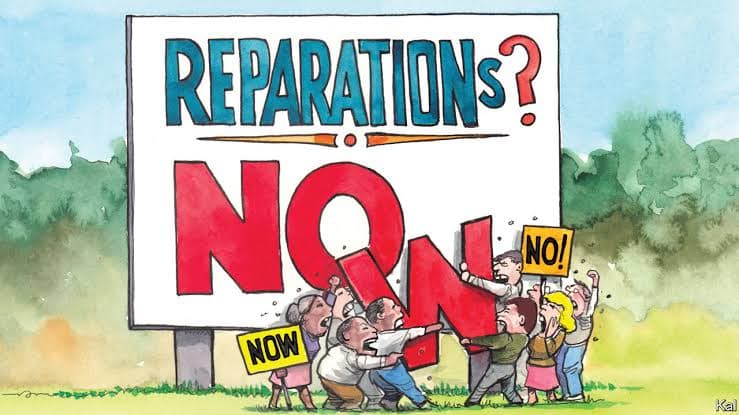
Across the world, a difficult question is gaining momentum: should nations that profited from the transatlantic slave trade pay reparations to the countries and communities that suffered most? The debate is no longer confined to academic circles — it is now shaping diplomatic summits and dividing politicians.
In Britain, the discussion has become particularly heated. Ahead of a Commonwealth leaders' summit, Greater Manchester Mayor Andy Burnham suggested he was open to a formal apology for Britain's role in the slave trade. He stopped short of endorsing direct financial compensation, but proposed that wealthier nations could help poorer countries restructure their debt on more favourable terms.
Conservative leader Kemi Badenoch pushed back sharply. She called an apology a "navel-gazing distraction" and warned that any such gesture would quickly become a lever to extract financial compensation. Badenoch also raised a broader moral question: if Britain is expected to apologise, should the descendants of African kingdoms and merchants who captured and sold enslaved people not be held equally accountable?
The question of accountability is, in fact, genuinely complex. Slavery was not a uniquely European crime. Arab traders, African rulers, and Asian merchants all participated in various forms of forced labour across centuries. Yet it was European colonial powers — Britain, France, Portugal, Spain, and the Netherlands — that industrialised the transatlantic trade, displacing millions and generating enormous wealth that still underpins economic inequalities today.
The consequences endure. Many nations in sub-Saharan Africa, the Caribbean, and South America — regions from which enslaved people were taken — continue to struggle with poverty, weak institutions, and limited development. Economists have estimated that the economic damage caused by centuries of exploitation remains measurable and significant.
Supporters of reparations argue that the wealth of former colonial powers was built, at least in part, on enslaved labour — and that a moral debt remains unpaid. Critics respond that holding present-day citizens financially responsible for the actions of ancestors who died centuries ago is neither just nor practical.
What is harder to dismiss is the suffering that persists in affected regions. Whether the answer lies in formal apologies, debt relief, or direct compensation, the ethical question refuses to go away: when historical injustice continues to shape the present, does the world have an obligation to act?