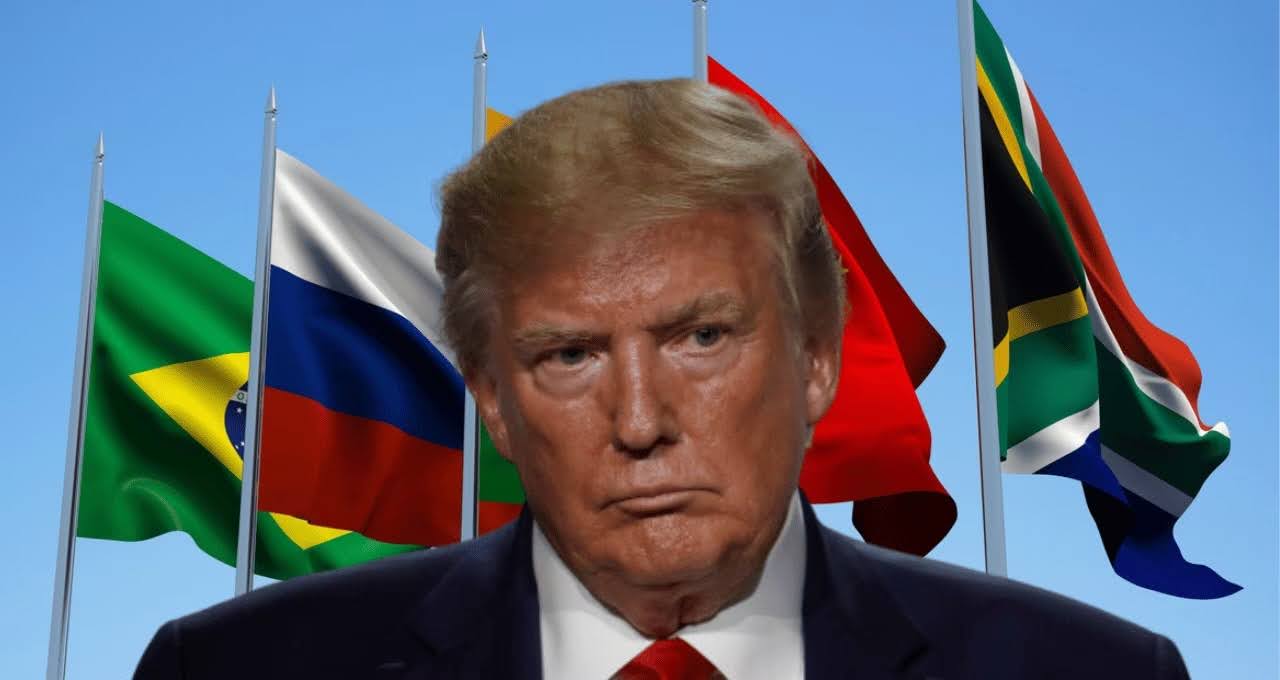
In a bold move that’s shaking up global trade, former U.S. President Donald Trump has threatened to impose new tariffs on countries that support what he calls the "anti-American policies" of the BRICS group. But what does that really mean—and why is he targeting BRICS now?
BRICS—a group of emerging economies made up of Brazil, Russia, India, China, and South Africa—has recently grown to include other countries like Egypt, Iran, and Indonesia. These nations are calling for a more “multipolar” world, challenging the long-standing dominance of Western countries, especially the U.S.
At a summit in Brazil, BRICS leaders expressed concern about trade practices that favor one-sided decisions, like tariffs. Trump’s response? More tariffs. He says a 10% tax will apply to any nation seen as aligning with BRICS’ “anti-American” stance—though he hasn’t clarified what actions qualify. This vague language raises eyebrows. Is Trump trying to protect U.S. interests, or is he using tariffs as a weapon against political opposition?
Some experts believe his strategy is about pressure and power: send out tariff letters, and wait for other nations to seek deals before the deadline. Trump insists this will help the U.S. economy, but critics warn it could backfire, causing higher prices and inflation. Meanwhile, China responded by saying BRICS doesn’t target any country and that trade wars help no one.
As August 1 approaches—the date when the new tariffs would take effect—many countries face a tough choice: align with BRICS and risk U.S. penalties, or try to stay on Trump’s good side. Either way, the global economy may be in for a rocky ride.